If you’re planning a multi-family development project in Miami-Dade, Broward, or Palm Beach County this year, you’ve likely noticed something frustrating: construction permits in 2026 are taking significantly longer to obtain than they did just a few years ago. What once might have taken eight to twelve weeks can now stretch to six months or more, creating cascading delays that impact budgets, financing, and project timelines.
Understanding why these delays are happening—and more importantly, what you can do about them—has become essential knowledge for developers, property owners, and construction partners across South Florida’s tri-county area. The permitting landscape has fundamentally shifted, and navigating it successfully requires both insight and strategy.
The Perfect Storm: Why Permitting Takes Longer Now
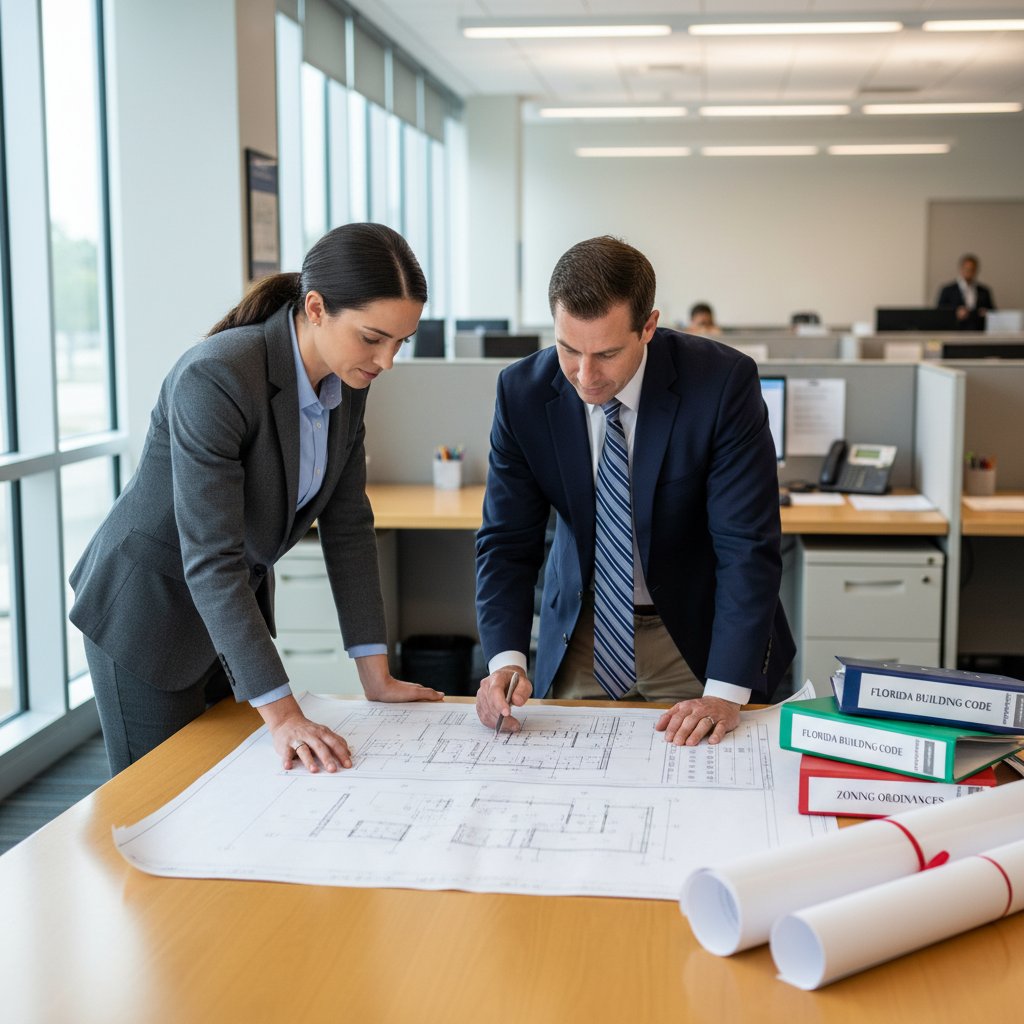
Several converging factors have created unprecedented delays in the construction approval process for multi-family projects throughout South Florida. These aren’t temporary hiccups; they represent structural changes that developers need to understand and plan around.
New Regulatory Requirements
South Florida’s building departments have implemented substantial new regulatory requirements over the past two years. Following recent hurricanes and climate-related concerns, municipalities across Miami-Dade, Broward, and Palm Beach Counties have adopted more stringent wind load calculations, flood mitigation standards, and energy efficiency mandates. These aren’t simple checkbox items—they require detailed engineering analysis, additional documentation, and multiple rounds of review.
Environmental compliance has also expanded dramatically. Projects now undergo more rigorous scrutiny regarding stormwater management, tree preservation, and environmental impact assessments. What was once a relatively straightforward submittal package has evolved into a comprehensive dossier that can easily exceed several hundred pages for a mid-sized multi-family development.
Fire safety codes have been updated as well, particularly for buildings exceeding four stories. Sprinkler system specifications, egress requirements, and fire-rated material documentation now demand greater detail and third-party verification. Each of these changes serves important safety purposes, but collectively they’ve added weeks—sometimes months—to the review timeline.
Municipal Staffing Challenges
Perhaps the most significant factor in permit delays is something happening inside building departments themselves: chronic understaffing. Municipalities throughout the tri-county area are struggling to retain experienced plan reviewers and building inspectors. The private sector has been actively recruiting these professionals, offering substantially higher salaries and better work-life balance.
When an experienced reviewer leaves, they take decades of institutional knowledge with them. Their replacement—if the position gets filled at all—requires extensive training and ramp-up time. This creates a cascading effect where permit reviews slow down across the board, and more experienced staff members become overwhelmed handling both their regular workload and training responsibilities.
The situation varies by county and municipality. Some building departments in Palm Beach County have implemented innovative retention programs, while certain municipalities in Miami-Dade continue to struggle with vacancy rates exceeding thirty percent in critical plan review positions. For developers, this means permit timelines can vary dramatically depending on jurisdiction.
Increased Development Activity
South Florida is experiencing a development boom. Multi-family construction permits in 2026 reflect unprecedented demand, particularly in submarkets where zoning changes have enabled higher-density residential development. Building departments that were already stretched thin now face application volumes they weren’t resourced to handle.
This isn’t simply about quantity—many of these projects are more complex than what building departments historically reviewed. Mixed-use developments that combine residential, retail, and hospitality elements require coordination across multiple review disciplines. The approval process for a single project might involve the building department, planning and zoning, public works, fire marshal, environmental resources, and utilities—each with their own timeline and requirements.
Real Impact on Project Timelines and Budgets

These permitting delays don’t just push back groundbreaking dates—they create financial ripple effects throughout a project’s lifecycle. Construction financing often includes time-sensitive rate locks and commitment periods. When permit approval extends beyond anticipated timelines, developers may face loan reapplication, higher interest rates, or expired equity commitments.
Contractor and subcontractor availability becomes another casualty of permit delays. When a project scheduled to break ground in March doesn’t receive permits until September, the carefully coordinated team of trades may no longer be available. Quality subcontractors book their schedules months in advance, and unexpected delays often mean settling for second-choice partners or paying premium rates for availability.
For multi-family developers specifically, delayed permits can impact pre-leasing strategies and revenue projections. When a project misses its target delivery date by six months due to permit delays at the front end, that’s six months of lost rental income that can significantly affect overall project returns.
Strategies General Contractors Use to Navigate Delays
Experienced general contractors working in South Florida’s multi-family sector have developed specific strategies to minimize permit-related delays and keep projects moving forward.
Pre-Application Collaboration
The most effective approach starts before formal permit application. Smart contractors facilitate pre-application meetings between developers, design teams, and building department staff. These sessions identify potential issues early, clarify interpretation of new code requirements, and establish relationships with the reviewers who will ultimately evaluate the application.
This collaborative approach transforms the permit process from an adversarial submission-and-rejection cycle into a problem-solving partnership. Building departments appreciate applicants who come prepared, ask intelligent questions, and demonstrate understanding of regulatory intent. That goodwill translates into smoother reviews and faster resolutions when issues arise.
Documentation Excellence
Incomplete or unclear documentation is the leading cause of permit review delays. Experienced contractors work closely with design teams to ensure submittal packages are comprehensive, clearly organized, and anticipate reviewer questions. This includes thorough cross-referencing between architectural, structural, MEP, and civil drawings, as well as detailed specification books that leave no room for interpretation.
Advanced contractors maintain checklists specific to each municipality’s requirements, accounting for local amendments to state building codes. They understand that Miami-Dade’s product approval system differs from Broward’s approach, and they tailor submissions accordingly. This attention to jurisdictional details prevents the frustrating cycle of resubmissions that can add months to approval timelines.
Parallel Processing and Phased Approvals
Rather than waiting for complete permit approval before initiating any site work, experienced teams pursue phased approvals where regulations permit. Foundation permits can often be obtained while upper-floor details are still under review. Site work and utilities may proceed under separate permits while the building permit works through the system.
This parallel processing requires careful coordination and assumes some level of risk—if significant changes are required during later review stages, early work might need modification. However, for developers working with experienced general contractors who have strong track records with local building departments, this strategy can recover weeks or even months from the overall project schedule.
Building Department Relationships
There’s no substitute for established relationships with building department personnel. Contractors who consistently submit quality plans, respond professionally to comments, and demonstrate competence earn credibility. When questions arise or interpretations need clarification, these relationships facilitate productive conversations rather than formal disputes.
This relationship-building extends beyond the individual project. Contractors who participate in local construction industry associations, attend code update training sessions, and engage constructively with municipalities position themselves—and their clients—for more efficient permit processing.
Planning for Reality: Timeline Expectations in 2026
Developers planning multi-family projects in South Florida need realistic timeline expectations. A straightforward three-story garden-style apartment building in a cooperative municipality might achieve permit approval in sixteen to twenty weeks. A mid-rise mixed-use development in a jurisdiction facing staffing challenges could require six to nine months.
Complex projects—those involving zoning variances, environmental considerations, or innovative construction methods—should budget eight to twelve months for the complete approval process. This isn’t pessimism; it’s prudent planning that accounts for current realities in the construction approval process.
The key is building these timelines into pro forma assumptions and project schedules from the earliest planning stages. Developers who assume historical permit timelines will be disappointed and face difficult conversations with investors and lenders. Those who plan conservatively and then work strategically to beat those timelines position themselves for success.
Looking Forward: Will Things Improve?
Some positive developments are emerging. Several municipalities have implemented digital plan review systems that improve efficiency and transparency. Miami-Dade County has piloted expedited review programs for projects meeting specific criteria. Broward is exploring third-party review options for certain project types.
However, meaningful improvement in permit timelines won’t happen overnight. Building departments need time to fully staff review positions, train new personnel, and implement process improvements. For at least the next twelve to eighteen months, developers should plan for continued delays and work with construction partners who understand how to navigate this challenging environment.
Frequently Asked Questions
Do I need a permit to remodel my bathroom in Georgia?
While this article focuses on South Florida multi-family permitting, bathroom remodel permit requirements in Georgia vary by jurisdiction. Generally, work that involves plumbing or electrical changes requires permits in most Georgia municipalities. However, cosmetic updates like replacing fixtures, tile, or vanities without relocating plumbing may not. Always check with your local building department before starting work, as requirements differ significantly between counties and cities.
How long is a building permit good for in Tennessee?
Tennessee building permits typically remain valid for six months to one year from issuance, depending on the municipality. The permit expires if work hasn’t commenced or if construction is abandoned for a specified period—usually 180 days of inactivity. Extensions may be available by application before expiration. These timeframes differ from South Florida’s requirements, where Miami-Dade County permits are generally valid for one year with possible extensions.
Are building permits public record in Pennsylvania?
Yes, building permits are generally public records in Pennsylvania under the state’s Right-to-Know Law. Members of the public can request permit information from municipal building departments. This is similar to South Florida, where building permits in Miami-Dade, Broward, and Palm Beach Counties are public records accessible through county or municipal websites or by in-person request at building department offices.
How long does it take to get a building permit in FL?
In Florida, building permit timelines vary significantly by project complexity and jurisdiction. Simple residential renovations might be approved in two to four weeks, while multi-family construction permits in 2026 throughout South Florida’s tri-county area typically require four to nine months. Miami-Dade, Broward, and Palm Beach Counties each have different processing times, and municipalities within those counties maintain their own timelines. Complex projects involving environmental reviews or zoning considerations can take even longer.
Partner With Experience That Navigates Complexity
Permitting challenges in 2026 aren’t going away, but they don’t have to derail your multi-family development plans. Success comes from working with construction partners who understand these complexities, maintain strong relationships with building departments throughout Miami-Dade, Broward, and Palm Beach Counties, and bring proven strategies for minimizing delays.
At Ortega, we’ve spent over six decades building relationships and expertise throughout South Florida. We understand that every week of delay has real financial consequences for developers and property owners. Our systematic approach to permit coordination, our established relationships with municipal reviewers, and our commitment to documentation excellence help keep projects moving forward even in this challenging environment.
If you’re planning a multi-family project and want a construction partner who treats permit navigation with the same discipline and attention we bring to every aspect of building, let’s talk. We approach every project with a family-like commitment to your success, because we’re not just building projects—we’re building relationships that last for generations.
Contact Ortega today to discuss how our experience with South Florida’s permitting landscape can help your next development stay on schedule and on budget, even as permit timelines continue to challenge the industry.