
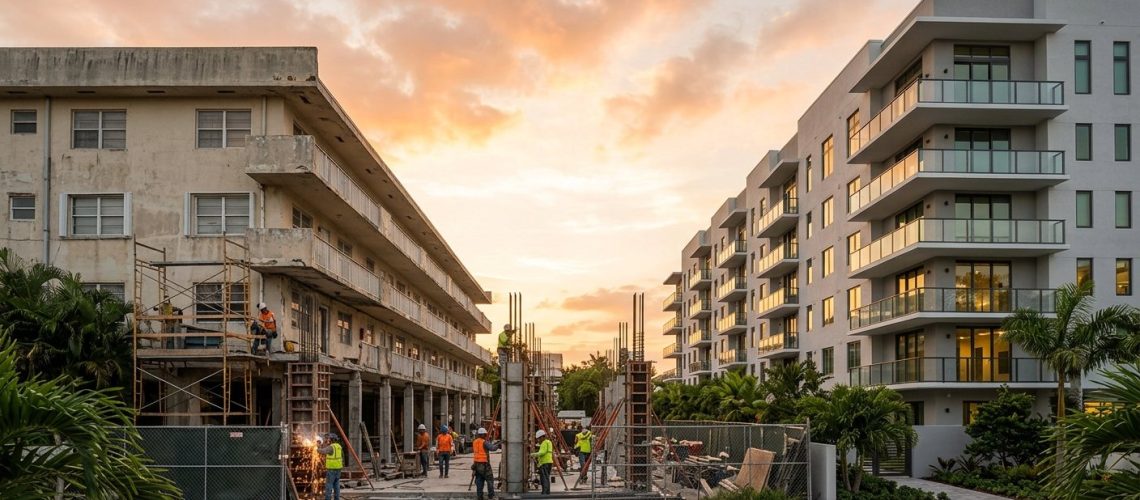
For South Florida multi-family property owners and developers, choosing between a soft story retrofit and a ground-up new build comes down to three factors: the existing structure’s condition, your long-term investment goals, and local code compliance requirements. Retrofitting preserves what works and costs less upfront; new construction offers full design control and long-term value. Neither is universally right — the best choice depends on your specific site, timeline, and portfolio strategy.
- Soft story retrofits strengthen existing buildings with weak lower floors — common in older South Florida apartment stock.
- New builds offer modern code compliance, design flexibility, and lower maintenance costs over time.
- Retrofitting is typically faster and less disruptive for occupied properties, but new construction delivers superior long-term ROI for most ground-up sites.
- Miami-Dade, Broward, and Palm Beach Counties each have distinct permitting requirements that affect your timeline and budget.
- Partnering with an experienced South Florida general contractor early in the process can save significant time, money, and stress.
What Is a Soft Story Retrofit?
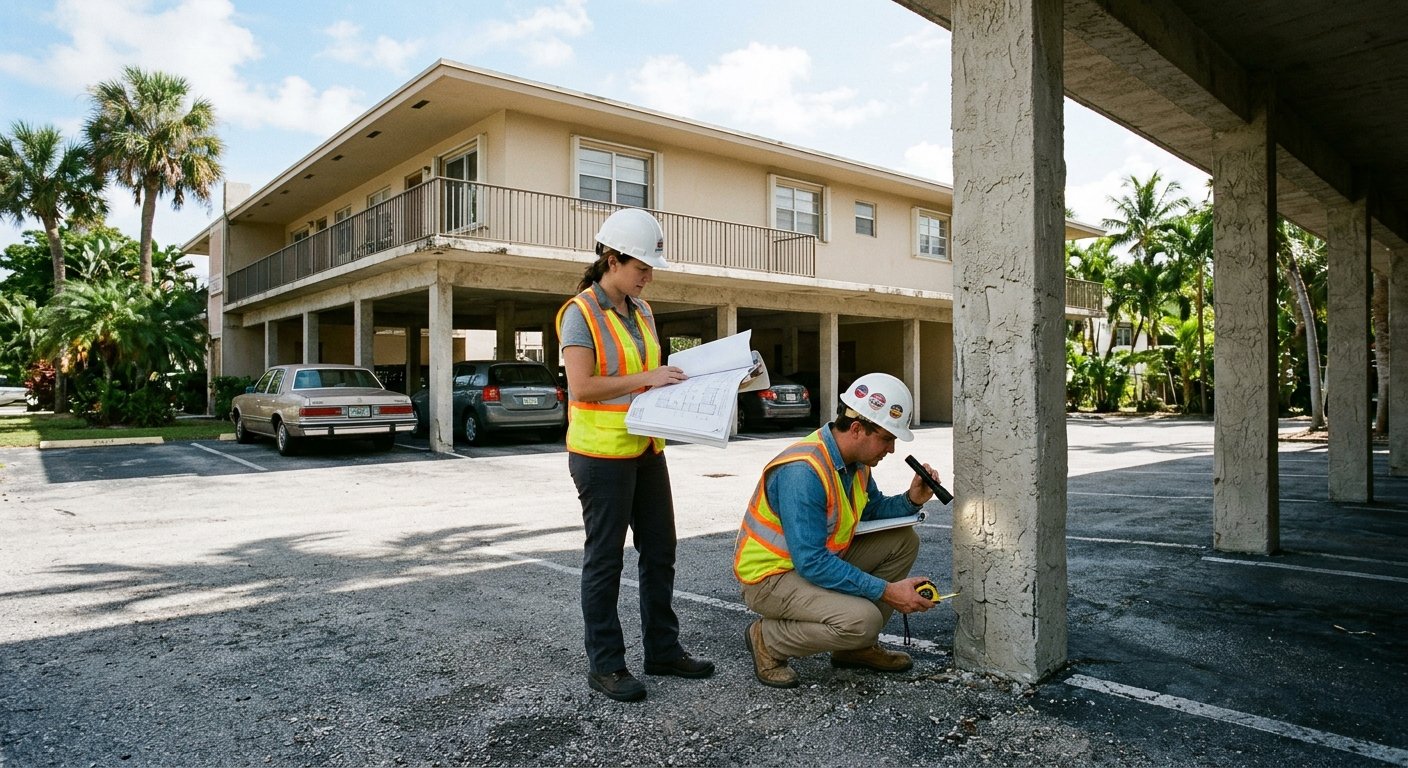
A “soft story” building is one where a lower floor — often the ground level used for parking, retail, or open carports — is significantly weaker than the floors above it. This structural vulnerability can become a serious safety concern, particularly in regions subject to high wind loads and seismic activity. In South Florida, older multi-family buildings constructed before modern building codes often carry this characteristic.
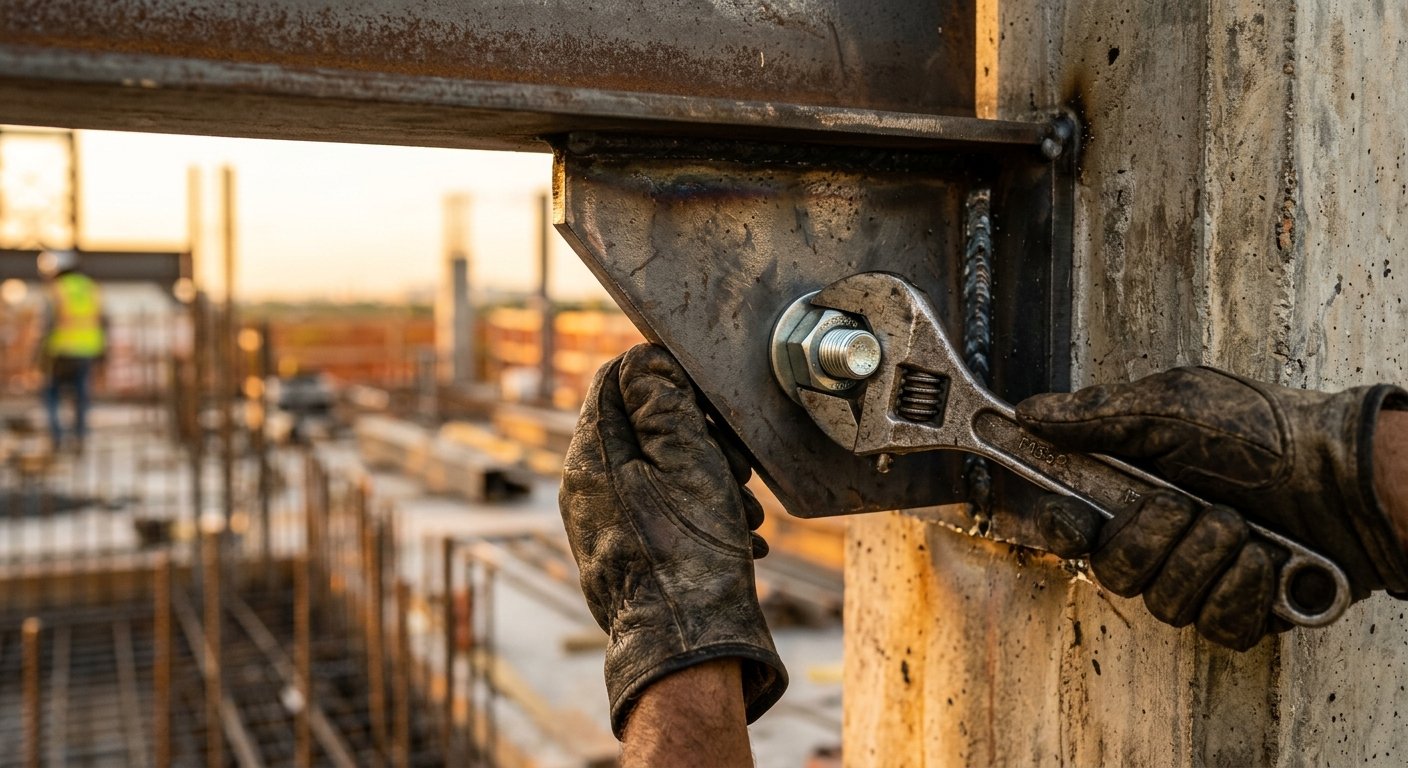
A soft story retrofit involves reinforcing that weak ground-floor level by adding steel moment frames, shear walls, or other structural elements that redistribute load and increase lateral resistance. The goal is to bring the existing structure into compliance with current safety standards without demolishing and rebuilding from scratch.
According to the Federal Emergency Management Agency (FEMA), soft story retrofits are among the most cost-effective ways to reduce structural vulnerability in older multi-unit residential buildings. While FEMA’s research is rooted in seismic risk, the structural engineering principles apply equally to wind-load resilience — a critical consideration across Miami-Dade, Broward, and Palm Beach Counties.
Florida’s statewide building code requires that any renovation or addition that exceeds a certain threshold of the building’s value must bring the entire structure into compliance with current code. Your general contractor and architect should evaluate this threshold before committing to a retrofit path.
When Does a Retrofit Make Sense?
Not every older building is a candidate for demolition and replacement. In many cases, a soft story retrofit is the smarter, more responsible choice — especially in dense urban neighborhoods across Miami and Fort Lauderdale where the existing structure has architectural or community value.
Retrofitting typically makes sense when:
- The building’s bones are structurally sound outside the soft-story zone
- The property is partially occupied and full displacement isn’t feasible
- The site does not support a larger footprint or additional density
- You need to preserve the existing unit count and rental income stream
- Permitting timelines for new construction would significantly delay your return
For older Broward County apartment buildings or mid-century Miami properties, retrofitting can be completed with less disruption to existing tenants — an important factor when cash flow matters. A skilled construction management team can phase the work to minimize vacancy and protect your income during the project.
The right answer isn’t always the newest building on the block — sometimes the right answer is making what exists stronger, safer, and built to last another generation.
When a New Build Is the Better Path
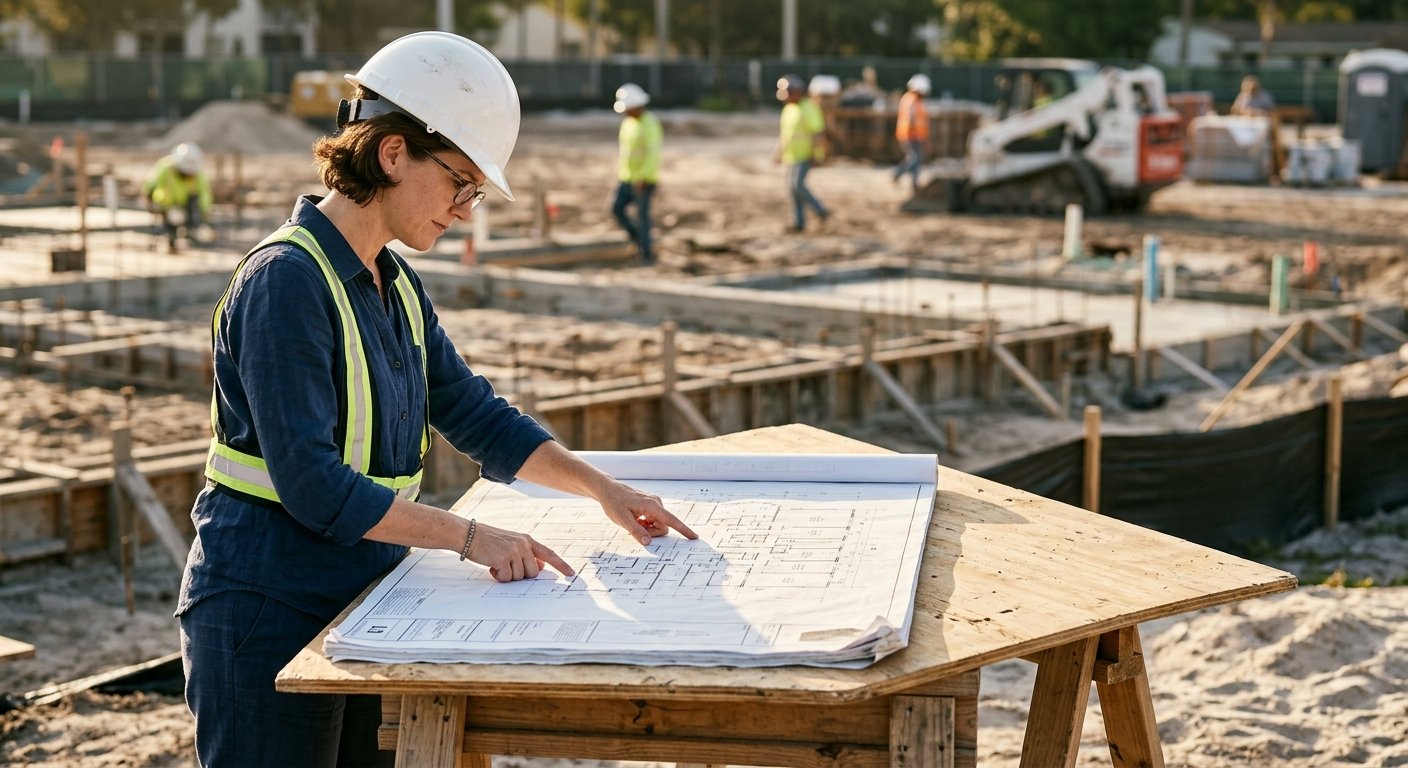
There are situations where retrofitting simply doesn’t pencil out — or where the opportunity cost of preserving an aging structure outweighs the upfront savings. A ground-up new build gives developers complete control over unit mix, amenities, energy efficiency, and code compliance from day one.
New construction is typically the right call when:
- The existing structure has pervasive code deficiencies beyond the soft story
- You’re developing a vacant or cleared site
- The project requires a significant increase in density or FAR (floor area ratio)
- Modern amenities — rooftop decks, EV charging, smart-home integration — are central to your leasing strategy
- Your financing structure requires a stabilized, newly constructed asset
South Florida’s multi-family market continues to attract strong institutional and private capital. Developers building in Boca Raton, West Palm Beach, and Miami are increasingly competing on quality and amenity level — not just price per square foot. A new build lets you design for that market from the ground up.
The National Association of Home Builders consistently reports that multi-family new construction demand in Sun Belt metros remains elevated as population migration continues to drive rental housing needs. South Florida is squarely in that growth corridor.
| Consideration | Soft Story Retrofit | New Build |
|---|---|---|
| Upfront Cost | Lower — preserves existing structure | Higher — full construction budget |
| Timeline | Shorter for most projects | Longer from permitting to CO |
| Tenant Disruption | Can be phased to minimize displacement | Full displacement required |
| Design Flexibility | Limited by existing structure | Full control over layout and amenities |
| Code Compliance | Partial — addresses specific deficiency | Full compliance from day one |
| Long-Term Value | Moderate — extends building life | Higher — modern asset, better financing |
| Density Potential | Fixed to existing footprint | Maximized per zoning allowances |
South Florida Permitting: What Changes the Equation
One of the most underestimated variables in this decision is the local permitting environment. Miami-Dade, Broward, and Palm Beach Counties each operate under their own building departments with distinct review timelines, inspection protocols, and code interpretations — all layered on top of the Florida Building Code.
For retrofits, the permitting path is generally more straightforward because you’re modifying an existing permitted structure. For new builds, especially multi-family projects with more than a handful of units, you’re navigating full site plan review, environmental assessments, and often neighborhood or commission approval.
The Florida Building Commission provides the statewide framework, but local amendments and enforcement vary. Working with a construction management team that has deep familiarity with South Florida’s permitting landscape — not just general Florida code — is essential to keeping your project on schedule.
Engage your general contractor before you finalize your design documents. Experienced South Florida contractors can flag permitting red flags, suggest phasing strategies, and help your architect avoid design elements that routinely slow approvals in specific counties.
The Role of Construction Management in This Decision
Whether you choose a retrofit or a new build, the quality of your construction management partner shapes every outcome — from permit approval speed to final certificate of occupancy. This is where the relationship between developer and contractor matters most.
At Ortega’s Building & Construction, we approach every project with what we call a stakeholder mentality. That means we’re not just executing plans — we’re thinking about your investment, your tenants, and your long-term vision the way an owner would. With over 60 years of combined family legacy in South Florida construction and more than a decade serving developers across Miami-Dade, Broward, and Palm Beach Counties, we understand the nuances that make or break a project at every phase.
Our work in multi-family construction spans a wide range of project types — from adaptive reuse and structural retrofitting to ground-up apartment and mixed-use development. We also bring deep experience in commercial construction management, which means we can support your project from feasibility through final delivery with one consistent, accountable team.
Assess the Existing Structure
Commission a structural engineering report to identify deficiencies, code gaps, and feasibility for retrofit versus replacement.
Define Your Investment Goals
Clarify your timeline, target hold period, financing requirements, and desired unit mix before committing to a path.
Engage Local Permitting Expertise
Consult with a South Florida general contractor who knows your county’s specific review timelines and code interpretations.
Build Your Project Team Early
Align your architect, engineer, and contractor before design documents are finalized to avoid costly revisions.
Plan for Phasing and Cash Flow
Whether retrofitting or building new, map out construction phases to protect rental income or align with your financing draw schedule.
Frequently Asked Questions
How do I know if my South Florida apartment building has a soft story problem?
Signs include an open ground-floor parking area beneath upper residential floors, large window or door openings at the ground level with minimal shear walls, and construction predating Florida’s post-Hurricane Andrew code revisions from the mid-1990s. A licensed structural engineer can assess your specific building and recommend next steps.
Is a soft story retrofit enough to bring my building to current code in Florida?
Not always. The Florida Building Code requires that renovations exceeding a defined cost threshold trigger broader compliance upgrades across the structure. A retrofit that addresses only the soft-story condition may still leave other code deficiencies unresolved. Your contractor and engineer should evaluate the full scope before design begins.
How long does a multi-family new build take to permit in Miami-Dade or Broward County?
Permitting timelines vary significantly by project scope, site conditions, and county workload — but multi-family projects in Miami-Dade and Broward commonly take several months from submission to permit issuance. Engaging a contractor with established relationships and permit-expediting experience in your specific county is one of the most effective ways to reduce delays.
Can I keep tenants in place during a soft story retrofit?
In many cases, yes — with proper phasing and safety protocols. Ground-floor units directly adjacent to active work areas may require temporary relocation, but upper-floor tenants often remain in place throughout the project. An experienced construction management team will develop a phasing plan that balances your safety obligations with your need to protect rental income.
What’s the difference between a general contractor and a construction manager for multi-family projects?
A general contractor typically holds the construction contract and is responsible for delivering the finished project. A construction manager provides advisory and oversight services, often from early design through project closeout, acting more as the owner’s representative. Many South Florida firms — including Ortega’s — offer both roles depending on the project’s structure and the owner’s needs. Learn more on our construction management services page.
Let’s Talk Through Your Project Together
Whether you’re weighing a retrofit or planning a ground-up multi-family development in Miami, Fort Lauderdale, Boca Raton, or West Palm Beach, our team is ready to help you think it through — honestly, clearly, and with your long-term goals in mind.
About Ortega's Building & Construction
Ortega's Building & Construction is a family-oriented general contractor and construction management firm serving South Florida developers, property owners, and architects. Specializing in multi-family residential, mixed-use, and hospitality projects across Miami-Dade, Broward, and Palm Beach Counties, Ortega's emphasizes relationship-building, long-term quality, and a stakeholder mentality. Locally owned and trusted in South Florida for more than 10 years, the company delivers on-time projects with personal attention, integrity, and a commitment to building communities that last for generations. Visit ortegagc.com →