
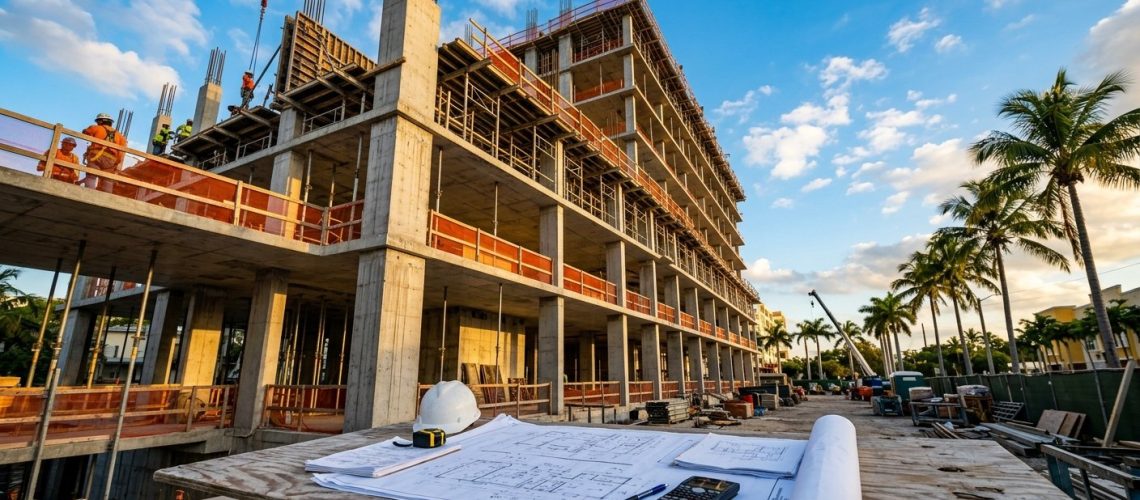
South Florida’s building codes directly shape every decision in multi-family design — from structural systems and wind resistance to fire separation and accessibility. In 2026, developers and architects in Miami-Dade, Broward, and Palm Beach Counties must navigate the Florida Building Code, local amendments, and post-Surfside legislation that has significantly raised the bar for residential construction quality and safety oversight.
- The Florida Building Code, 8th Edition, governs all new multi-family construction and includes stricter structural inspection requirements following the Champlain Towers collapse.
- Miami-Dade and Broward Counties have their own local amendments that layer additional requirements on top of the state baseline.
- Accessibility, energy efficiency, and resiliency standards are all evolving in 2026 — impacting design timelines and budgets.
- A knowledgeable general contractor is essential for navigating permitting, inspections, and code compliance from day one.
- Early coordination between developers, architects, and builders prevents costly redesigns and permitting delays.
Why Building Codes Matter More Than Ever in 2026
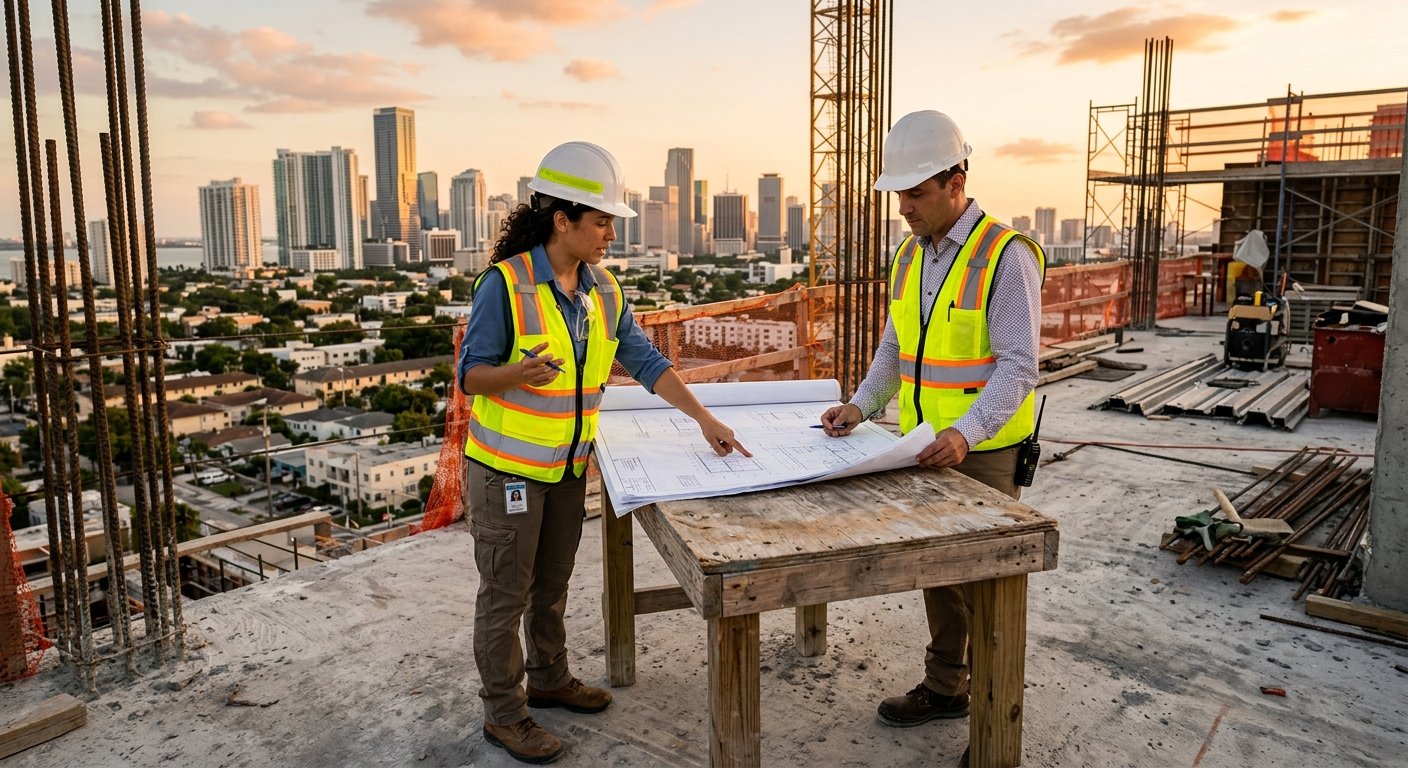
Many developers treat code compliance as a checklist — something to handle at the end of design. That approach is one of the most expensive mistakes a project can make. In South Florida’s multi-family market, building codes are not just legal minimums; they are the foundation of a building that families will trust for generations. Getting them right from day one is what separates projects that close on time from those that stall in permit review.
The regulatory environment has evolved meaningfully since the 2021 Champlain Towers South tragedy in Surfside. Florida’s legislature responded with Senate Bill 4-D (2022), which mandates milestone structural inspections for condominium and cooperative buildings three stories or taller. For developers designing new multi-family communities across Miami-Dade, Broward, and Palm Beach Counties, this means structural inspection protocols must be built into the project timeline from the earliest phases of planning — not discovered during construction administration.
Florida’s milestone inspection law now requires that buildings three stories or taller undergo a Phase 1 structural inspection by a licensed engineer within 30 years of a certificate of occupancy (25 years for buildings within three miles of the coastline). New multi-family developments should account for how their structural design documentation will support these future inspections.
The Florida Building Code and Local Amendments
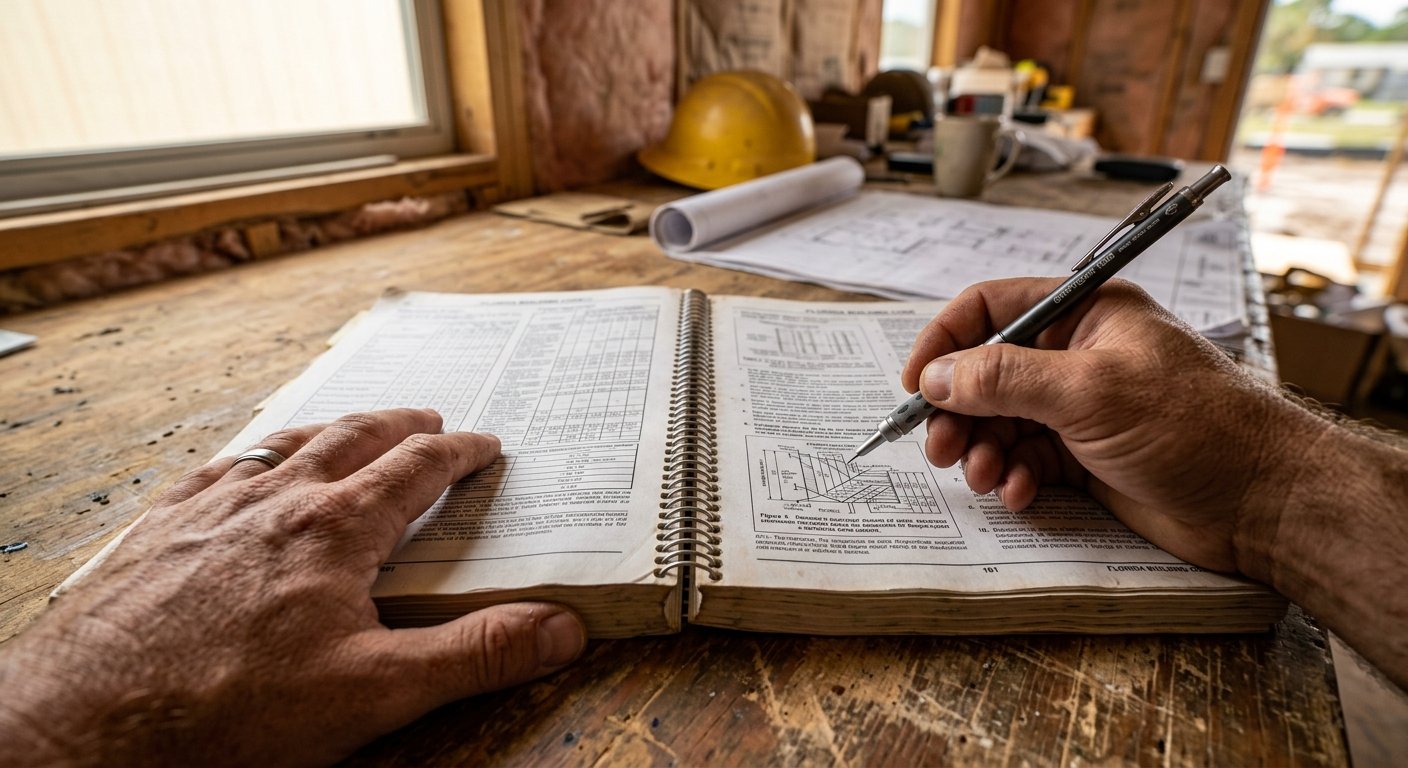
The Florida Building Code (FBC), 8th Edition is the governing standard for all new construction statewide. It encompasses structural, mechanical, plumbing, electrical, and energy requirements, and it is updated on a three-year cycle. For multi-family residential buildings, the FBC draws from both the International Building Code and Florida-specific provisions that account for the state’s unique exposure to wind, humidity, and storm surge.
What makes South Florida particularly complex is the layer of local amendments that sit on top of the FBC. Miami-Dade County, for example, maintains its own High-Velocity Hurricane Zone (HVHZ) requirements — some of the most rigorous wind-resistance standards in the country. Products and assemblies used in construction must carry Miami-Dade Notice of Acceptance (NOA) approvals, which go beyond standard code compliance. Broward County similarly enforces local amendments that affect everything from setbacks to flood plain elevation requirements.
Wind Resistance and Structural Systems
For apartment and mixed-use buildings across the region, wind load design is not optional engineering — it is a primary structural driver. The HVHZ standards in Miami-Dade require that glazing, roofing assemblies, and exterior wall systems all meet stringent impact and pressure testing thresholds. Choosing the right structural system — whether concrete masonry unit, cast-in-place concrete, or post-tensioned slab construction — has significant implications for both code compliance and long-term durability.
At Ortega’s Building & Construction, our team has navigated these requirements across multi-family and mixed-use projects throughout Miami-Dade, Broward, and Palm Beach Counties. With over 60 years of combined family legacy in South Florida construction, we understand that these aren’t just code requirements — they’re the engineering decisions that protect the communities our clients build.
Pre-Design Code Review
Identify applicable FBC chapters, local amendments, HVHZ requirements, and flood zone classifications before schematic design begins. This sets realistic parameters for the entire design team.
Product and Assembly Approval
Confirm that all specified materials carry Miami-Dade NOA or Florida Product Approval documentation before submitting permit drawings.
Permit Submission and Review
Coordinate with local building departments early. Miami-Dade and Broward both have electronic permitting systems, but complex multi-family projects often require pre-application meetings to resolve interpretive questions.
Inspections and Special Inspections
Engage special inspection agencies for concrete, steel, and threshold inspections as required by the FBC. Build inspection hold points into the construction schedule from day one.
Certificate of Occupancy
Compile all required documentation, including as-built drawings, product approvals, and inspection reports, to support a clean CO process.
Accessibility, Energy, and Resiliency in 2026
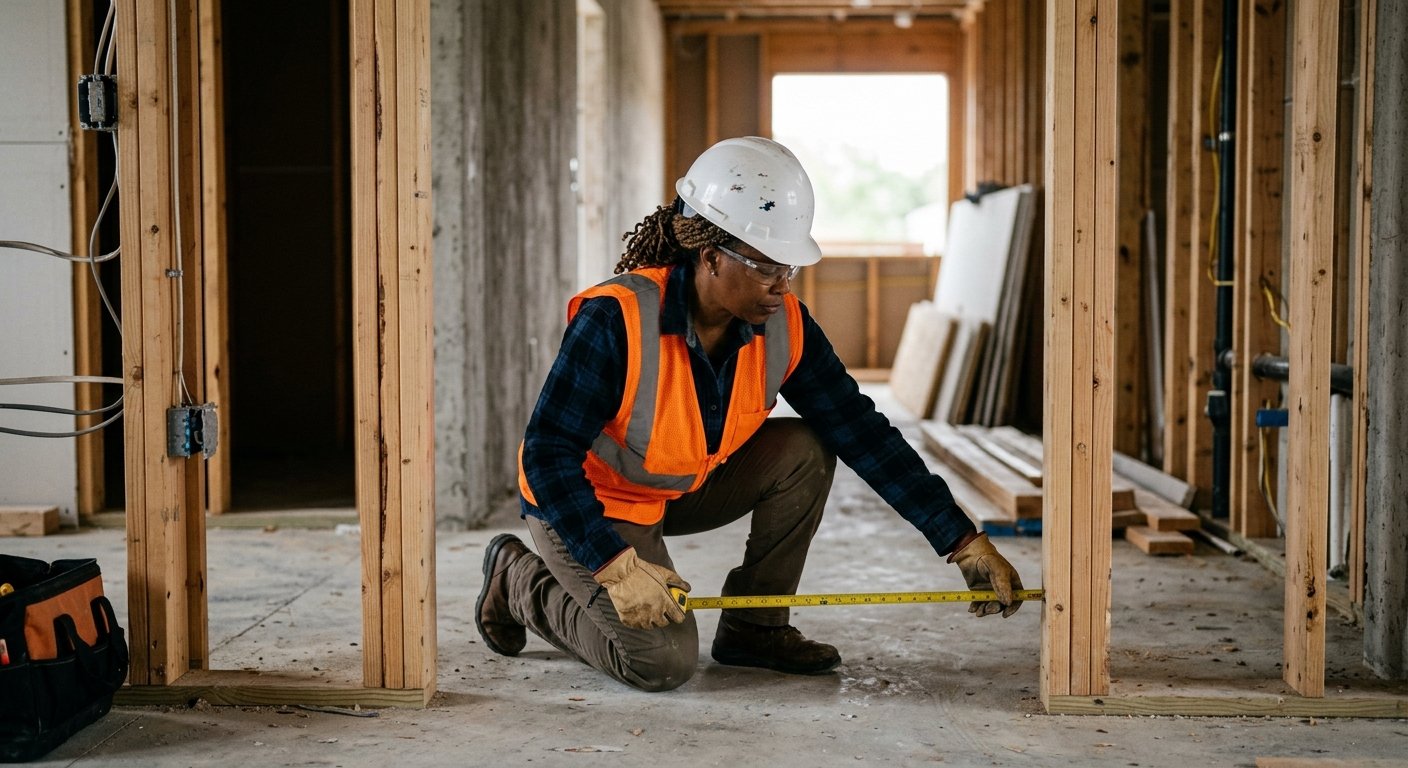
Code compliance in modern multi-family construction extends well beyond structural systems. Three areas are shaping design decisions in a meaningful way this year: accessibility under the Fair Housing Act, energy efficiency requirements, and resiliency planning for long-term community durability.
Accessibility Requirements
Multi-family buildings with four or more units must comply with the Fair Housing Act’s design and construction requirements, which mandate accessible routes, adaptable dwelling units, and accessible common areas. These requirements apply regardless of whether the building receives federal funding. In practice, this means elevator lobbies, door widths, bathroom layouts, and parking design must all be coordinated from the schematic phase — not retrofitted during construction documents.
Florida’s Energy Code
The Florida Building Code Energy Conservation section sets prescriptive and performance-based paths for envelope design, HVAC efficiency, and lighting. In South Florida’s climate, the envelope — insulation, glazing performance, and air sealing — is the biggest lever for energy performance. Developers pursuing green building certifications such as LEED or Florida Green Building Coalition designation often find that the energy code is the baseline, and achieving certification requires meaningful upgrades above it.
In South Florida, the envelope isn’t just about energy — it’s about durability, comfort, and the long-term quality of the home you’re delivering to residents.
Resiliency and Flood Compliance
With FEMA flood maps continuing to evolve across South Florida, base flood elevation requirements are a critical design input for any multi-family project near the coast or in low-lying areas. Finished floor elevations, mechanical equipment placement, and parking structure design are all affected. Getting a preliminary flood zone determination and FEMA elevation certificate early in design prevents expensive foundation redesigns later.
Engage your general contractor during schematic design — not after construction documents are complete. A builder with deep local experience can flag code compliance issues, product approval gaps, and constructability problems before they become change orders.
How Code Compliance Affects Project Timelines and Budgets
One of the most common challenges we see in South Florida multi-family development is the gap between architectural intent and code reality. A design that looks complete on paper can still face significant permit review comments if the structural drawings don’t reflect HVHZ requirements, if product approvals aren’t on file, or if accessibility features weren’t coordinated across all disciplines.
For developers planning apartment communities in Boca Raton, Fort Lauderdale, Miami, or West Palm Beach, these gaps translate directly into schedule delays and budget pressure. Our approach to construction management puts code coordination at the center of preconstruction — because the best time to resolve a compliance issue is before the permit is submitted, not after ground is broken.
The good news is that disciplined preconstruction planning, paired with a contractor who knows South Florida’s regulatory landscape, turns code compliance from a source of risk into a competitive advantage. Projects that are engineered and documented correctly from the start move through permitting more cleanly, experience fewer construction administration surprises, and deliver a more durable product to the market.
Locally owned and operating in South Florida for more than 10 years, Ortega’s Building & Construction brings licensed, insured expertise and a local team that knows Miami-Dade, Broward, and Palm Beach County building departments personally. That relationship matters when you need a permitting question answered quickly.
Partnering With the Right Builder From Day One
Code compliance is ultimately a team sport. Architects, engineers, developers, and general contractors all play a role — and the earlier the entire team is aligned, the better the outcome. For developers pursuing multi-family construction across South Florida, choosing a contractor who treats code knowledge as a core competency — not an afterthought — is one of the highest-leverage decisions you’ll make on a project.
Whether your project is a mid-rise apartment community in Miami-Dade, a mixed-use development in Broward, or a waterfront residential building in Palm Beach County, the regulatory environment in 2026 rewards developers who build relationships with experienced, locally grounded construction partners early. At Ortega’s, that’s exactly the kind of partnership we’re built for.
Frequently Asked Questions
What building code applies to multi-family construction in South Florida?
All new multi-family construction in Florida is governed by the Florida Building Code, 8th Edition, along with local amendments adopted by each county or municipality. Miami-Dade County enforces additional High-Velocity Hurricane Zone (HVHZ) requirements that are among the most stringent in the country, requiring product approvals beyond the standard state code.
How does the Surfside legislation affect new multi-family projects in 2026?
Florida Senate Bill 4-D (2022) introduced mandatory milestone structural inspections for condominium and cooperative buildings three stories or taller. While this primarily affects existing buildings, new construction teams should design and document structural systems with future inspection requirements in mind, and developers should ensure their project documentation supports long-term compliance.
Do apartments need to comply with the Fair Housing Act’s design requirements?
Yes. Multi-family buildings with four or more dwelling units must comply with the Fair Housing Act’s design and construction requirements, which mandate accessible common areas, adaptable unit features, and accessible routes. These requirements apply to privately funded projects and must be integrated from the earliest design phases.
How early should a general contractor be involved in a multi-family project?
Ideally during schematic design, before construction documents are finalized. Early contractor involvement allows code compliance issues, product approval requirements, and constructability challenges to be resolved before permit submission — reducing review comments, schedule delays, and costly redesigns during construction.
What is a Miami-Dade Notice of Acceptance (NOA)?
A Miami-Dade NOA is a product approval issued by Miami-Dade County’s building department confirming that a construction product or assembly meets the county’s High-Velocity Hurricane Zone requirements. Products without a valid NOA cannot be used in HVHZ construction, making product approval coordination a critical part of the specification and procurement process.
Ready to Build Smarter in South Florida?
Let’s talk about your multi-family project early — before code compliance becomes a costly surprise.
About Ortega's Building & Construction
Ortega's Building & Construction is a family-oriented general contractor and construction management firm serving South Florida developers, property owners, and architects. Specializing in multi-family residential, mixed-use, and hospitality projects across Miami-Dade, Broward, and Palm Beach Counties, Ortega's emphasizes relationship-building, long-term quality, and a stakeholder mentality. Locally owned and trusted in South Florida for more than 10 years, the company delivers on-time projects with personal attention, integrity, and a commitment to building communities that last for generations. Visit ortegagc.com →